


Challenges and Solutions in Project Cargo Transportation
Project cargo transportation involves moving large, heavy, complex, or sensitive loads that require specialized logistics solutions. Commonly used in sectors like energy, construction, mining, and infrastructure, this type of transportation demands more planning and coordination than standard shipping methods. Project cargo transportation can encounter various challenges at every stage of the logistics process. In this article, we will discuss some solutions to overcome these challenges.
Challenges
- Size and Weight Management: One of the biggest challenges in project cargo transportation is the size and weight of the cargo. Loads that do not fit into standard containers or vehicles require special equipment and vehicles. This complicates both the loading/unloading process and the planning of the transportation route.
- Route Planning and Permits: Project cargo often needs to be transported via specific routes suitable for oversized or overweight loads. These routes are typically limited due to size and weight restrictions. Additionally, special permits may be required from local authorities, and the process of obtaining these permits can extend the transportation timeline and increase costs.
- Risk Management: Project cargo often involves high-value and sensitive equipment. Damage to this equipment during transportation can result in significant financial losses. Furthermore, unforeseen circumstances like environmental factors and weather conditions can pose risks to the project.
- Coordination and Communication: Project cargo transportation requires collaboration among experts from different disciplines. Without effective communication and coordination among engineers, logistics specialists, local authorities, and clients, delays and issues can arise in the process.
Solutions
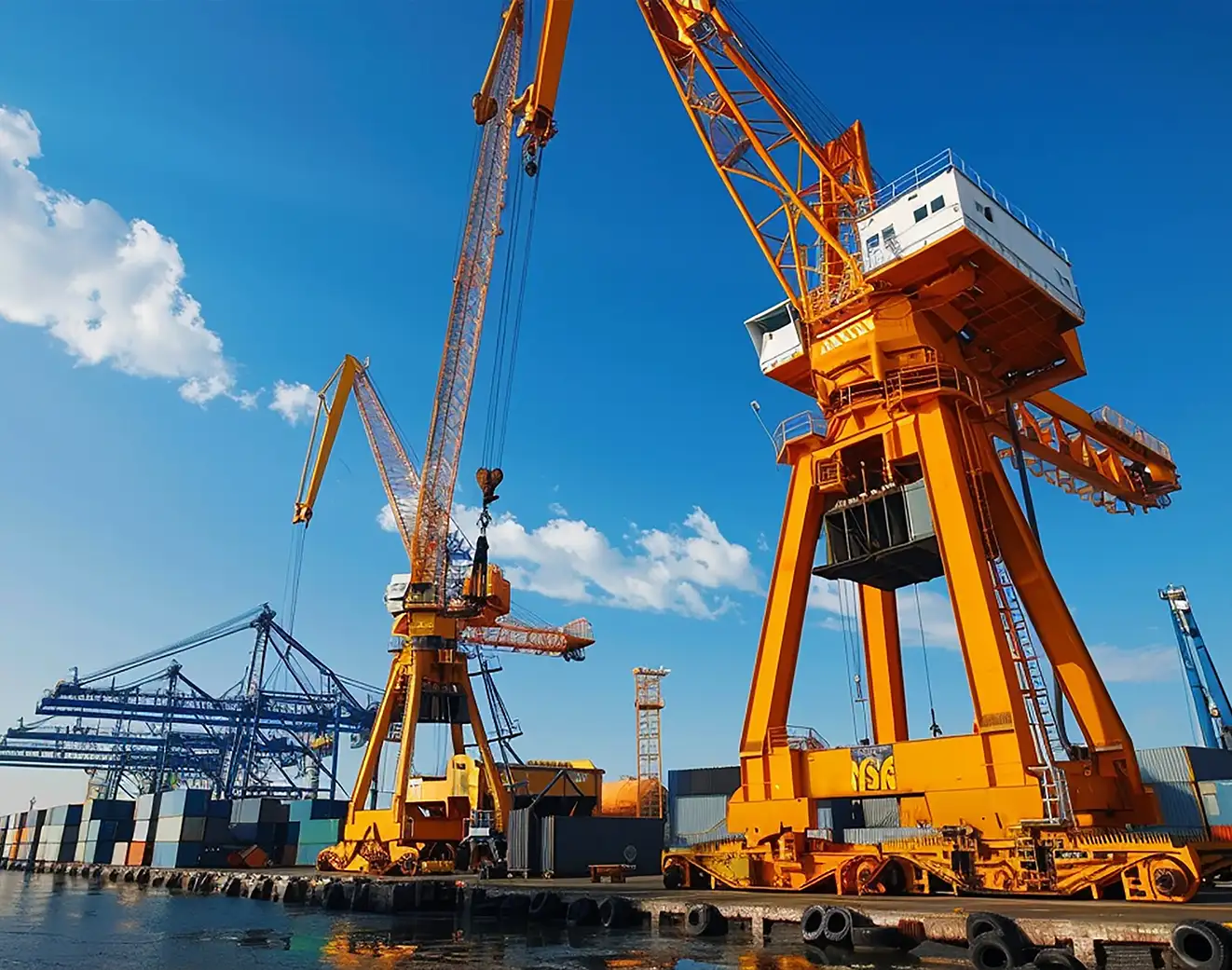
- Specialized Transport Equipment and Vehicles: To manage size and weight challenges, specialized transport equipment and vehicles should be used. Equipment such as hydraulic trailers, modular trailers, and cranes ensures the safe transportation of project cargo.
- Detailed Route and Permit Planning: In route planning, alternative routes and transit points should be carefully evaluated. Engaging with local authorities early and securing necessary permits in advance helps expedite the transportation process and prevent potential delays.
- Advanced Risk Management Strategies: In project cargo transportation, risk can be minimized by expanding insurance coverage and conducting thorough risk assessments. Additionally, flexible transport plans should be developed to adapt to environmental conditions.
- Effective Project Management and Communication: Establishing a strong communication network among different stakeholders is critical to the success of project cargo transportation. Project managers should hold regular meetings with all parties involved to ensure that all processes run smoothly.
Conclusion
Project cargo transportation is a complex process that presents unique challenges. However, with proper planning, equipment selection, risk management, and effective communication, these challenges can be overcome. This ensures that project cargo is delivered safely, efficiently, and on time.


