


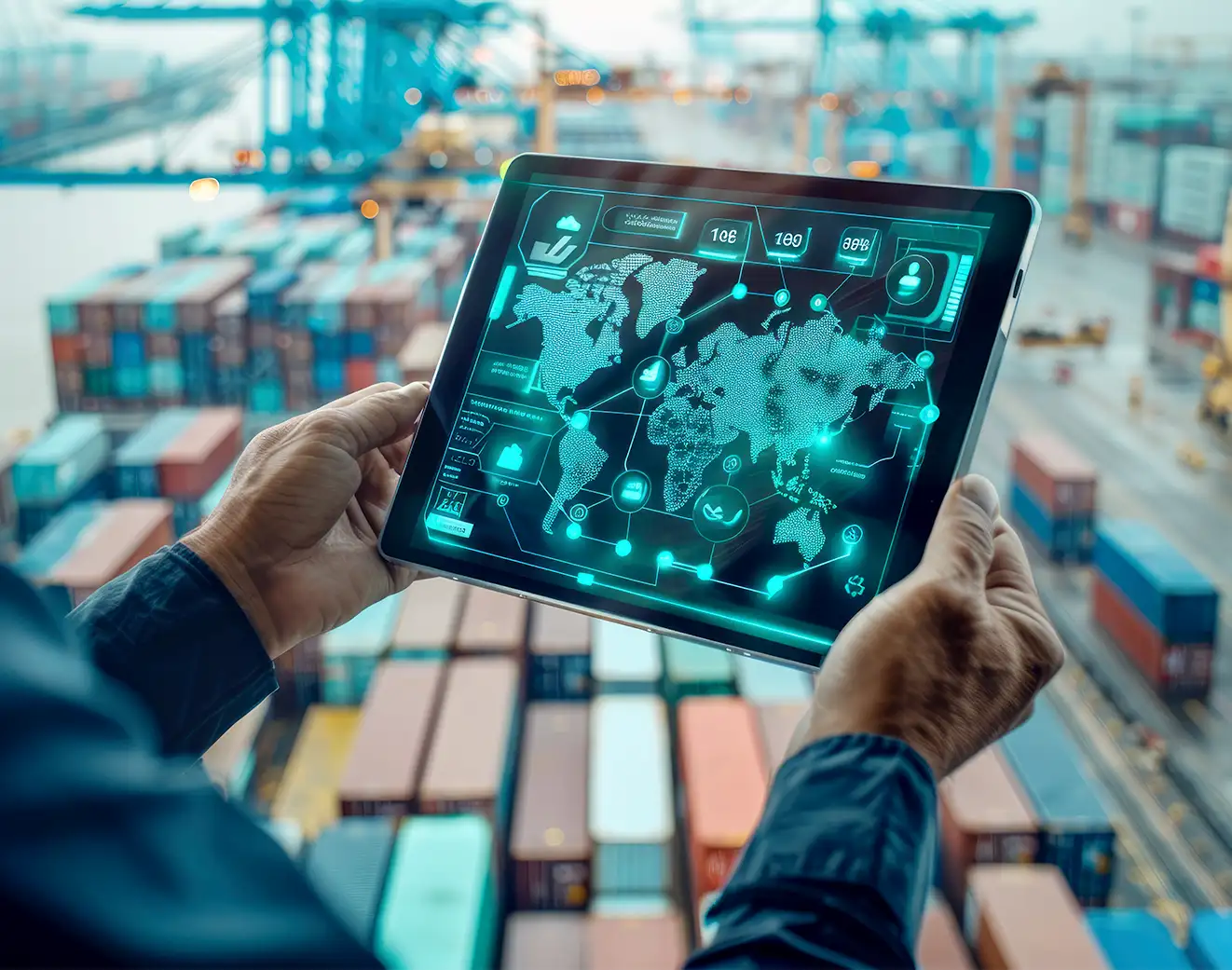
Facilitating Customs Procedures in International Transportation through Digitalization
Digitalization is revolutionizing many sectors, including international transportation and logistics. Traditional customs procedures are often known for being time-consuming and complex, but digital technologies have significantly simplified these processes. The importance of digitalization in customs procedures comes with numerous benefits such as speed, efficiency, cost savings, and transparency.
Advantages of Digitalization in Customs Procedures:
- Speed and Efficiency: Digital platforms and automation systems speed up customs procedures by reducing the need for manual paperwork. Technologies such as Electronic Data Interchange (EDI) allow documents to be shared digitally, leading to faster completion of customs processes.
- Cost Savings: Digitalization offers significant cost savings to businesses by reducing paperwork and speeding up processes. The digitalization of customs procedures provides substantial advantages in terms of both labor and time savings.
- Transparency and Traceability: Digital systems provide traceability at every stage of shipment. This enhances transparency for both the sender and the receiver. The ability to track customs processes digitally helps reduce errors and makes the process more secure.
- Compliance and Legal Requirements: Digitalization simplifies compliance with the complex legal and regulatory requirements of international trade. Electronic documents and digital signatures ensure that legal processes are completed quickly and securely.
Applications of Digital Customs Procedures:
- E-Customs and E-Declaration: Many countries have adopted e-customs systems, allowing import and export procedures to be managed digitally. These systems enable declarations to be made online, saving both time and money.
- Blockchain Technology: Blockchain is an innovative technology used to enhance transparency and security in customs procedures. Storing trade documents on a blockchain prevents fraud and preserves the authenticity of documents.
- Smart Contracts: Smart contracts enable the automatic execution of commercial agreements made on digital platforms. This technology helps ensure that customs procedures are completed more quickly and reliably.
Digitalization is making customs procedures in international transportation faster, safer, and more efficient, contributing to smoother global trade operations. Therefore, investments in digital technologies are emerging as one of the key drivers of competitive advantage in the logistics and transportation sectors.


